
Florida’s hot, humid climate can present various challenges to a home’s roof, potentially resulting in damage that causes the roof to leak or not last as long. One common issue is stains on the roof as a result of mold, mildew, and algae growth. When it comes to this type of growth, the first question most homeowners have is whether the problem is merely cosmetic or if it might be a sign of actual roof damage. At Lionheart Roofing in Valrico, we have years of local expertise and can accurately assess any roof problems and advise you on what steps you can take to both overcome and prevent them.
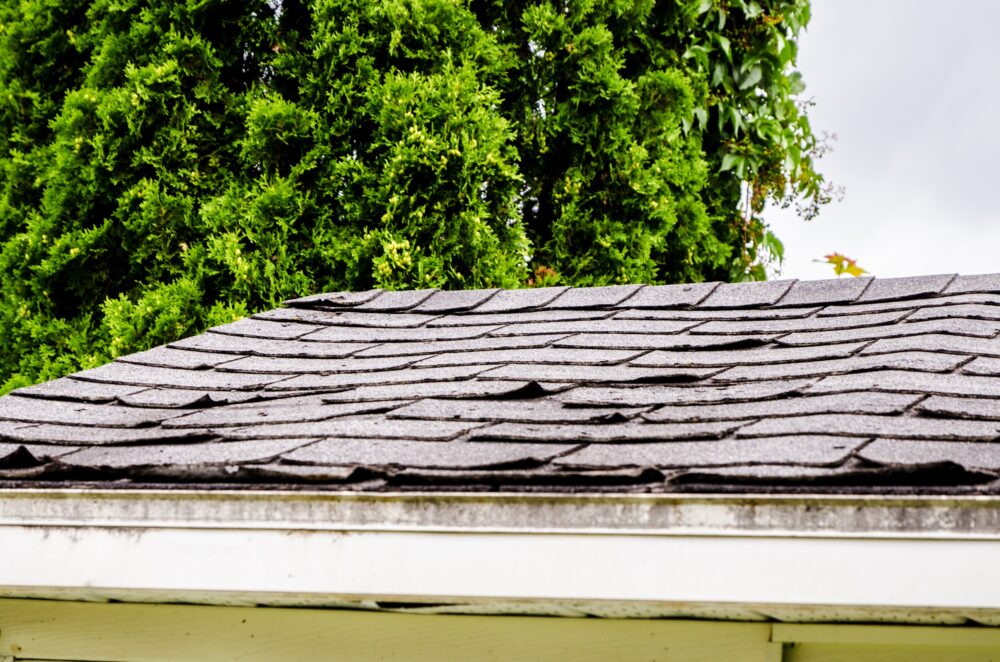
What Mold, Mildew, and Algae Look Like on Roofs
Not all roof growth is the same. Algae, mold, and mildew can also occur for different reasons and potentially cause different problems. As such, the first step when dealing with stains and growth on the roof is to determine what the growth is. Algae typically results in black streaks or bluish-green spotting on the roof, but without any signs of actual growth. Mold and mildew are more apparent, as you’ll see dark colored patches of slimy or fuzzy growth.
Why Florida Roofs Are Especially Prone to Growth
Mold, mildew and algae can all thrive in hot, humid conditions. Frequent rain and the buildup of organic debris on the roof greatly increase the chances of mold and mildew issues, especially on parts of the roof that are often shaded. Algae growth generally isn’t much of a concern for tile and metal roofs, but it can be a serious problem for shingle roofs. That’s because the type of algae that typically grows on roofs survives by feeding on the limestone in asphalt shingles. Insufficient ventilation is also a major contributing factor to most types of roof growth.
Is Roof Growth Just Cosmetic or a Sign of Damage?
Streaking and staining from algae growth is primarily a cosmetic issue. However, unchecked algae growth can also cause significant problems over time. Mold and mildew growth almost always occur because of moisture retention, which can be a more serious problem and could indicate that the roof has hidden damage.
Potential Risks of Ignoring Roof Mold, Mildew and Algae
Early diagnosis and intervention of roof growth allows you to spot and overcome any issues before they potentially lead to major damage and much higher costs in the long term. For instance, the fact that the algae constantly feeds on the limestone in the shingles means that it continually causes the shingles to weaken and deteriorate more quickly. This deterioration can eventually lead to water seeping underneath the shingles and the roof potentially leaking. It also means that the shingles won’t last as long and that the roof will need to be replaced sooner.
Moisture retention that results in mold and mildew growth also increases the chances of underlayment damage that can lead to roof leaks. An even bigger concern with moisture retention is that it can cause structural damage to the roof, such as parts of the wooden roof deck or some of the trusses rotting, warping or cracking. These types of issues can also lead to sections of the roof sagging and potentially caving in. In cases where structural damage is present, the only solution is a full roof replacement. Structural damage also means that the cost of the replacement will be much higher.
Yet another concern with roof leaks is that they can quickly lead to mold growth inside the house that negatively impacts indoor air quality. Mold growth is especially a concern for anyone with asthma or allergies.
How Homeowners Can Identify Potential Problems
Regularly checking your roof for any visible signs is key to spotting potential problems early on. Persistent dark streaks that don’t get washed away by the rain are a sure sign of algae growth on shingles. Slimy or fuzzy growth that keeps spreading indicates extensive mold or algae growth. Sags and soft spots on the roof are a sign of structural damage from water seeping underneath the underlayment and flashing.
Musty or moldy odors in the home can indicate hidden mold growth in the attic or in the void between the roof and the ceiling. If you notice any of these issues, calling a roofing professional for an inspection and evaluation is crucial for avoiding the problem worsening and you needing to pay for costly repairs or to replace your roof.
Roof Cleaning and Treatment Options
Scheduling regular professional inspections and having your roof cleaned to eliminate growth are essential for ensuring that your roof can stand up against the Florida climate and lasts as long as possible. One mistake many homeowners make when dealing with mold, mildew, or algae growth is trying to tackle the problem themselves by pressure washing the roof. Not only is pressure washing a roof extremely dangerous due to the risk of slipping on the wet surface and falling, but it can also significantly damage the roof.
Using a pressure washer on shingles ends up blasting away many of the protective granules, causing them to experience more UV damage and deteriorate faster. Pressure washing can also cause shingles or tiles to crack or break, allowing water to get underneath them and potentially resulting in a leak. It’s possible to safely pressure wash a roof with special cleaners that eliminate and inhibit algae, mold, or mildew growth, but it requires specialized equipment and should always be done by a professional to avoid potential damage.
How to Prevent Mold, Mildew, and Algae on Florida Roofs
There are some basic steps you can take to prevent Florida roof mold and algae growth and avoid future problems. This includes keeping tree branches trimmed away from the roof to prevent areas from being constantly shaded and regularly cleaning your gutters to prevent them from clogging and causing water to pool at the edges of the roof.
Improving ventilation helps to prevent moisture retention by ensuring that the attic never gets too hot and humid. Hiring a roofing company to clean your roof and apply an anti-fungal treatment is an effective solution for killing mold and mildew and inhibiting future growth. There are also algae-resistant coatings you can apply to prevent growth. Installing algae-resistant shingles when you’re replacing your roof is a cost-effective solution to avoid streaking and staining and to help extend the life of the new roof.
When to Call a Professional Roofer
The majority of roof issues aren’t something you can handle yourself. Problems like recurring growth, storm damage, bald spots on shingles, leaks and sags or other visible signs of roof deterioration all indicate you should have your roof professionally inspected as soon as possible. By acting quickly and scheduling regular roof maintenance, you can usually prevent things from worsening and put off the high cost of replacing your roof.
At Lionheart Roofing, our local, family-owned company has years of experience handling all of the unique challenges that Florida’s climate can present. From professional roof inspections to cleaning and roof repairs, we’re ready to assist with whatever you need to ensure that your roof remains in good condition.
Request a Consultation With Lionheart Roofing
Mold, mildew, and algae growth aren’t always just cosmetic issues and can result in extensive damage and costly repairs, especially in Florida where roofs are frequently exposed to extreme heat, humidity and moisture. While growth doesn’t always lead to damage, it’s still something you should take seriously. To schedule an inspection and get help protecting your roof and your Valrico home, contact the pros at Lionheart Roofing today.

