

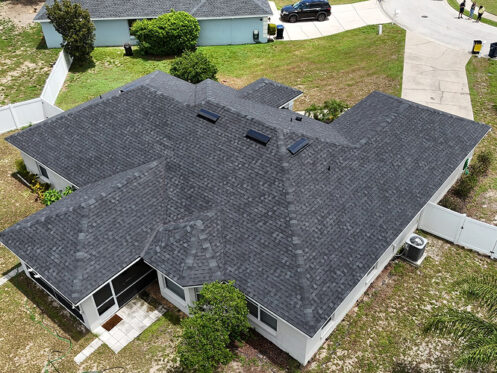
Florida homeowners asking about their roofing have one question more than most others: How long should I expect my roof to last here? Between heavy rain, salty air, intense UV exposure, year-round humidity, and brutal hurricane seasons, Florida is a harsh environment on roofing materials compared to most of the country. Manufacturers frequently advertise ideal lifespans, but real-world performance can vary widely depending on roofing materials, installation quality, and ongoing maintenance.
Why Florida’s Climate Is Tough on Roofs
Before comparing different materials, it’s useful to know why Florida roofing of all kinds ages faster compared to other states. Three specific factors that come into play are heat, moisture, and the combination of wind and debris.
Heat is a very consistent factor; surface temperatures on local roofs frequently reach or exceed 150 degrees Fahrenheit. That heat weakens adhesives, dries out protective oils, and accelerates material breakdown.
Moisture is another major challenge. High humidity, frequent rainstorms, and tropical systems create ideal conditions for underlayment deterioration, algae, and mold growth. In coastal areas, the air can carry salt that corrodes metal fasteners and components more quickly than expected.
The mix of wind and debris also takes a toll. Even if a hurricane doesn’t make a direct landfall, strong gusts have the power to loosen shingles, crack tiles, and lift panels. Over time, these cumulative small stresses shorten a roof’s usable life.
How Long Asphalt Shingle Roofs Last in Florida
Asphalt shingles are typically the most common roofing material for Florida homes due to their versatility and affordability. In ideal conditions, asphalt shingles are rated to last from 25 to 30 years. Asphalt shingle roofs in Florida, however, have a shorter realistic lifespan.
Most standard three-tab shingle roofs in this state only last from 12 to 15 years. Dimensional or architectural shingles tend to work better; if properly installed and maintained, they can last 15 to 20 years. Premium shingles might reach the higher end of that range, but they rarely match their advertised lifespan in Florida’s brutal conditions.
Sun exposure is the biggest reason why shingles fail early. Asphalt is broken down by UV radiation, causing shingles to curl, become brittle, or crack. The process is accelerated by granule loss, leaving an exposed shingle base vulnerable to moisture intrusion.
Shingles are also more susceptible to suffering wind damage, compared to other kinds of roofing. Even minor lifting during a storm can weaken seal strips; as a result, future blow-offs are more likely. Once a shingle roof starts losing many pieces, widespread replacement is often necessary.
How Long Metal Roofs Last in Florida
Metal roofing is growing in popularity in Florida. Storm resistance and durability are two key drivers behind this. A properly installed metal roof typically lasts 40 to 70 years. This makes it one of the longest-lasting choices available.
Galvanized steel and aluminum perform particularly well in high-humidity and coastal environments. Aluminum doesn’t rust; this is very useful near saltwater. Steel roofing relies on protective coatings that need to remain intact over time to prevent corrosion.
A metal roof reflects sunlight instead of absorbing it, and that significantly reduces any heat-related wear. That also keeps temperatures lower in attics, benefiting energy efficiency and minimizing strain on underlayment materials.
Neglected fasteners and improper installation are the most common threats to the longevity of a metal roof in Florida. The expansion and contraction of many heat cycles can loosen screws if they’re not correctly maintained or seated. Minor upkeep and periodic inspections help a metal roof consistently outlast nearly all other roofing materials in this state.
How Long Tile Roofs Last in Florida
Tile roofs are renowned for their visual appeal and longevity, particularly with coastal-style and Mediterranean homes. Clay and concrete tile roofs in Florida can last 40 to 75 years. Under the right conditions, some exceed that range.
Clay tiles are very resistant to moisture and UV damage. They don’t warp, rot, or degrade from sun exposure. Concrete tiles are also extremely durable. However, they might experience surface wear over time if their protective coatings erode.
The tiles themselves can last decades, but the underlying components are just as essential. Even when tiles remain in great condition, the underlayment usually needs to be replaced every two to three decades. Tile roofing often requires periodic lifting and resetting to address underlayment issues without a full system replacement.
The biggest concern for a tile roof in Florida is impact damage. Foot traffic, storm debris, and falling branches can crack individual tiles. Promptly replacing damaged tiles is vital to maintaining a roof’s long-term performance.
How Installation Quality Affects Roof Lifespan
No roofing material will reach its full lifespan potential without proper installation at the beginning. Many Florida building codes are stricter than those in other states because of hurricane risks. However, workmanship still varies. Incorrect fastening patterns, poor flashing details, improper ventilation, and inadequate underlayment can all significantly shorten a roof’s lifespan. Even the highest-caliber materials can fail early when wind resistance is compromised or moisture becomes trapped.
Picking a contractor familiar with requirements specific to Florida is a very important factor in the longevity of a roof. Proper installation can add many years, and sometimes even decades, to a roof’s potential lifespan.
The Role of Maintenance in Florida Roof Longevity
Routine maintenance is particularly vital in Florida’s climate. Routine inspections help identify small issues before they become major complications. That includes checking for cracked tiles, deteriorating sealants, lifted shingles, and loose fasteners.
Roof cleanliness also matters. Moss and algae growth can trap moisture against roofing surfaces, accelerating wear. Professional, gentle cleaning can extend the life of tile and shingles without causing damage.
Drainage systems and gutters need to stay clear to keep water from backing up onto roofing structures. Standing water, even if brief, increases the risks of underlayment damage and leaks.
Signs Your Florida Roof Is Near the End of Its Life
Age alone isn’t the only determining factor in roof replacement, but it’s a strong indicator. Closely monitor a shingle roof older than 15 years, a metal roof approaching 40 years, and a tile roof with an aging underlayment. Other warning signs include visible sagging, frequent repairs, water stains on ceilings, and missing or cracked materials. Poor ventilation or insulation can drive up energy bills.
Protecting Your Home With the Right Roofing Partner
Florida homeowners can make a significant difference in their roof performance and lifespan by working with experienced local professionals. At Lionheart Roofing, we understand the unique local climate and offer comprehensive services tailored to the regional conditions of Valrico and the surrounding areas in Florida. Our residential roofing services include inspections, repairs, storm damage, and installation. We work with both asphalt and metal roofing and provide commercial roofing services.
Schedule a consultation with Lionheart Roofing to protect your investment in a strong, long-lasting roof.

